Gender-responsive food policies for zero hunger: integrating food self-sufficiency and universal nutritious meals, Muryanto Amin, Dewi Darlan, Fauzan Samosir, Marcello Sato
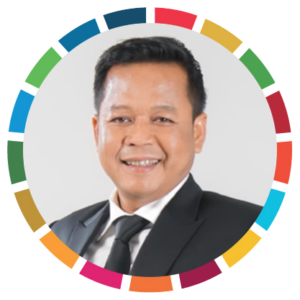 Muryanto Amin
Department of Political Science
Universitas Sumatera Utara
Medan
Indonesia
ORCID: 0000-0002-9982-4477
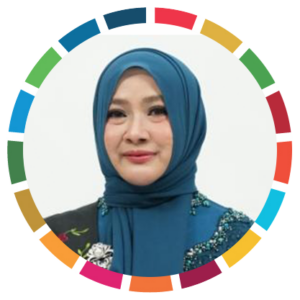 Dewi Masyithah Darlan
Department of Parasitology, Faculty of Medicine
Universitas Sumatera Utara
Medan
Indonesia
ORCID: 0000-0002-2434-3118
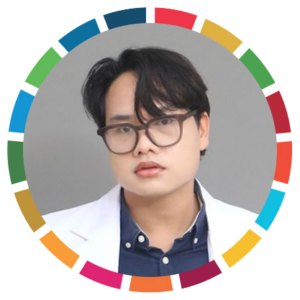 Fauzan Azmi Hasti Habibi Samosir
Wates Husada Hospital Gresik
East Java
Indonesia
ORCID: 0009-0008-1639-6552
 Marcello Otako Sato
Faculty of Medical Technology
Niigata University of Pharmacy, Medical and Life Sciences
Japan
ORCID: 0000-0002-9204-0602
Type of Paper: Literature Review
Received: 8 May 2026 / Revised: 11 July 2026 / Accepted: 14 July 2026 / Published: 17 July 2026
DOI: 10.47556/J.WJEMSD.22.5.2026.3
Purpose: This study examines how integrating Food Self-Sufficiency (FSS) and Universal Free Nutrition Meals (UFNM), within a gender responsive policy framework, can strengthen food and nutrition security, reduce structural inequities, and support sustainable human capital development.
Design/Methodology/Approach: A literature review was conducted, synthesising evidence from food systems, public health, social protection, and gender studies. A gender responsive analytical lens was applied to examine how FSS and UFNM policies shape differential access to food, nutrition, and care responsibilities, particularly among woman, caregivers, and vulnerable populations.
Findings: FSS strengthens food system resilience but may insufficiently address gender-based nutrition disparities if implemented narrowly. UFNM programmes improve child nutrition, school participation, and cognitive development whole reducing caregiving and economic burdens on women.
Originality/Value: This study proposes a novel gender-responsive framework linking food policy, nutrition equity, and human capital as integrated foundations for inclusive and sustainable development goals.
Keywords: Gender Equality; Food Self-Sufficiency; Universal Free Nutritious Meals; Nutrition Equity; Human Capital; Inclusive Development.
Citation: Amin, M., Darlan, D. M., Samosir, F. A. H. H and Sato, M. O (2026): Gender-responsive food policies for zero hunger: integrating food self-sufficiency and universal nutritious meals. World Journal of Entrepreneurship, Management and Sustainable Development (WJEMSD), Vol. 22, No. 5, pp. 433-447.